The Ultimate AI Study Buddy: Summarizing 3-Hour Lectures with OpenClaw
Do you have a 3-hour lecture recording sitting in your "Watch Later" list?
I know the feeling.
The semester is moving fast. You have five classes. Every professor uploads hour-long videos.
You tell yourself, "I'll watch it this weekend." But the weekend comes, and the last thing you want to do is sit through a 180-minute video on Macroeconomics.
It is overwhelming.
What if you didn't have to watch it?
What if you had a study buddy who watched it for you? A buddy who took perfect notes, highlighted the key terms, and organized everything into a study guide?
You don't need to hire a tutor. You just need OpenClaw (formerly ClawdBot) and TranscriptAPI.
In this post, I am going to show you how to build the ultimate AI Study Buddy.
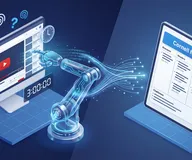
We will configure your local AI agent to process long-form educational content and output structured "Cornell Notes" with timestamp citations.
Ready to reclaim your weekends? Let’s get started.
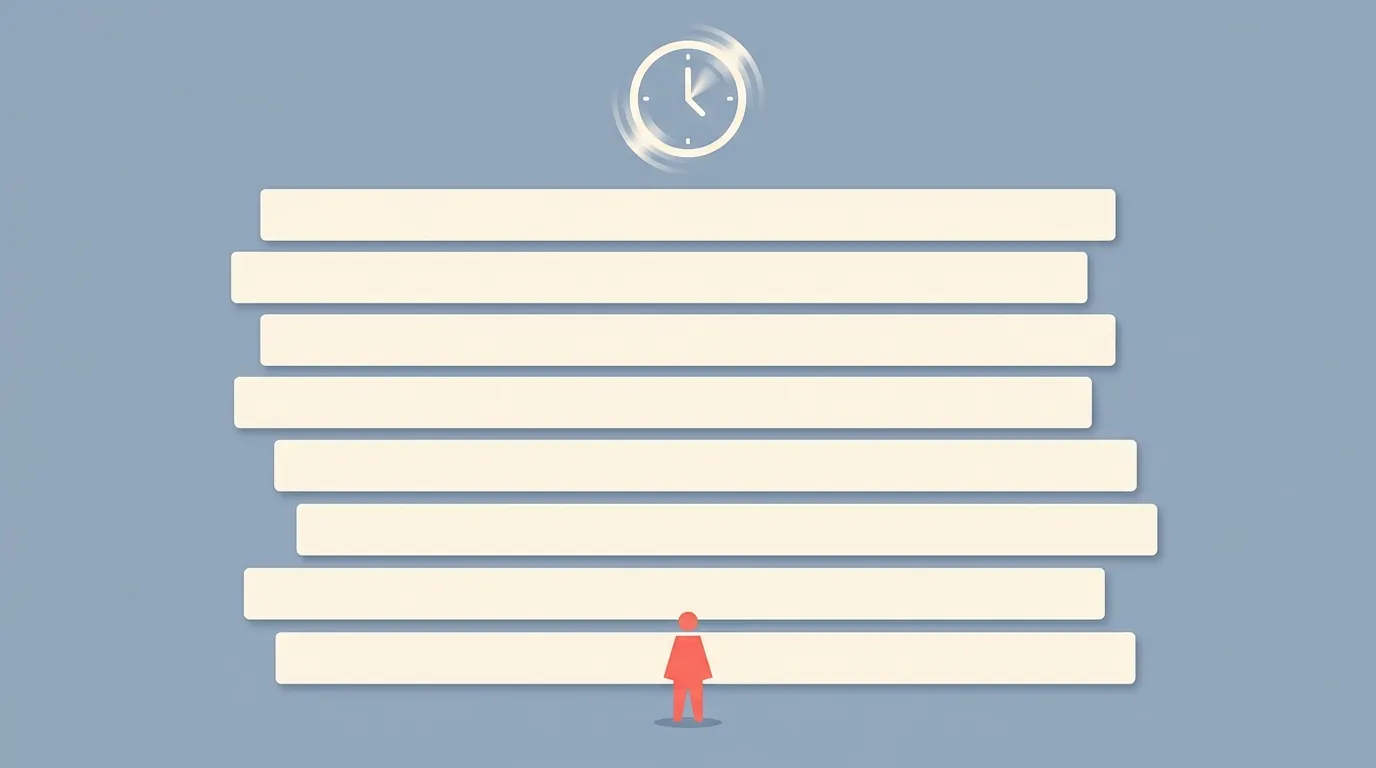
The Problem: Video is the Worst Format for Studying
Don't get me wrong. Video is great for learning a concept the first time.
But it is terrible for reviewing.
When you are studying for an exam, you need speed. You need to scan information. You need to find that one specific definition the professor mentioned in week 4.
You cannot "scan" a video file.
To find information, you have to:
Guess where it is on the timeline.
Wait for it to buffer.
Listen to 5 minutes of unrelated rambling.
It is a waste of time.
To study effectively, you need to turn that unstructured video into structured text.
You need a transcript. And not just a wall of text—you need organized notes.
Why Standard Chatbots Can't Help You
"But Neil," you might ask, "Can't I just paste the link into ChatGPT?"
Usually, no.
Most standard chatbots have limits:
They can't watch YouTube: They often hallucinate video content because they don't have direct access to the transcript.
Context Limits: A 3-hour lecture has tens of thousands of words. If you paste that into a standard chat window, you will often hit the token limit.
Privacy: Do you really want to upload your proprietary university lectures to a public cloud model?
This is why OpenClaw is the superior choice for students.
It runs locally on your computer. It keeps your data private. And with the right tools, it has no limits.
The Secret Weapon: TranscriptAPI
To make your OpenClaw smart, you need to give it "ears."
You need a way to get the text out of the video and into your agent.
Many students try to write their own Python scripts to scrape YouTube. I strongly advise against this.
Why scraping fails:
It breaks constantly: YouTube updates their code, and your script stops working right before finals week.
Length limits: Free tools often choke on videos longer than 30 minutes.
IP Bans: If you try to process a whole playlist of lectures, YouTube will ban your IP address.
You need reliability. You need TranscriptAPI.
TranscriptAPI is a professional tool that handles the messy work. It can handle videos of any length.
Whether it’s a 5-minute clip or a 4-hour lecture, TranscriptAPI delivers the full text instantly.
It also provides timestamps. This is crucial for studying. If your notes say "Supply and Demand," you want a link that takes you to the exact second the professor talked about it.
Step-by-Step: Building Your Study Agent
We are going to turn your OpenClaw into a "Note-Taking Machine."
Forget about editing JSON config files or writing custom code. We are going to use the official youtube-full skill.
Prefer a no-Python approach? See the no-Python version of this tutorial.
Step 1: Install the YouTube Skill
Open your terminal (or wherever you run OpenClaw) and run this single command:
npx clawhub@latest install @therohitdas/youtube-full
This installs the tool that connects your agent to TranscriptAPI. It handles all the heavy lifting.
Step 2: Auto-Configure Authentication
You don't need to manually create an account on a website. Your agent will do it for you.
Start your OpenClaw agent.
Ask it: "Get the transcript for this video: [Paste any YouTube URL]"
The agent will see it needs an API key. It will ask for your email address.
Enter your email. You will get a 6-digit code (OTP) in your inbox.
Paste the code into the chat.
Boom. Your agent is now authenticated. You have 100 free credits to start, which is plenty for your first few weeks of classes.
Step 3: The "Cornell Notes" Prompt
Now for the magic.
We aren't just going to ask for a summary. We are going to program OpenClaw to be a tutor using a System Prompt.
You don't need to write code. You just need to paste this specific instruction into your chat:
"I want you to act as an expert academic tutor. From now on, whenever I give you a YouTube URL, I want you to:
Fetch the transcript using the youtube tool.
Analyze the arguments.
Output 'Cornell Notes' in this Markdown format:
| Timestamp | Keyword/Cue | Detailed Notes |
|---|---|---|
| [MM:SS] | [Concept Name] | [Definition and explanation] |At the end, generate a 3-question quiz to test my understanding."
How to Use It
You are now ready to study.
Find that 3-hour lecture on YouTube. Copy the URL.
Open your chat with OpenClaw and say:
"Process this lecture for me: https://www.youtube.com/watch?v=..."
Here is what happens next:
OpenClaw sees the URL.
It calls TranscriptAPI.
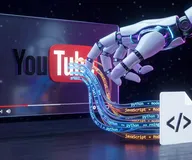
TranscriptAPI processes the 3-hour video in seconds and returns the clean JSON data.
OpenClaw ignores the "ummms" and "ahhs."
It formats the output into a clean Cornell Notes table.
The Result:
You get a perfectly formatted study guide.
You scan the "Keyword" column. You see "Keynesian Economics." You read the definition in the "Detailed Notes" column.
If you are confused, you look at the timestamp. It says [45:20]. You jump to that exact spot in the video.
You just saved 2 hours and 55 minutes.
Advanced Strategy: The "RAG" Archive
If you are a power user, you can take this further.
OpenClaw has access to your file system. You can instruct your Study Buddy to save these notes to your computer for later.
"Save these notes as a Markdown file in my 'History 101' folder."
By the end of the semester, you will have a folder full of searchable notes for every single lecture.
You can then ask OpenClaw:
"Search my 'History 101' folder. What did the professor say about the French Revolution across all lectures?"
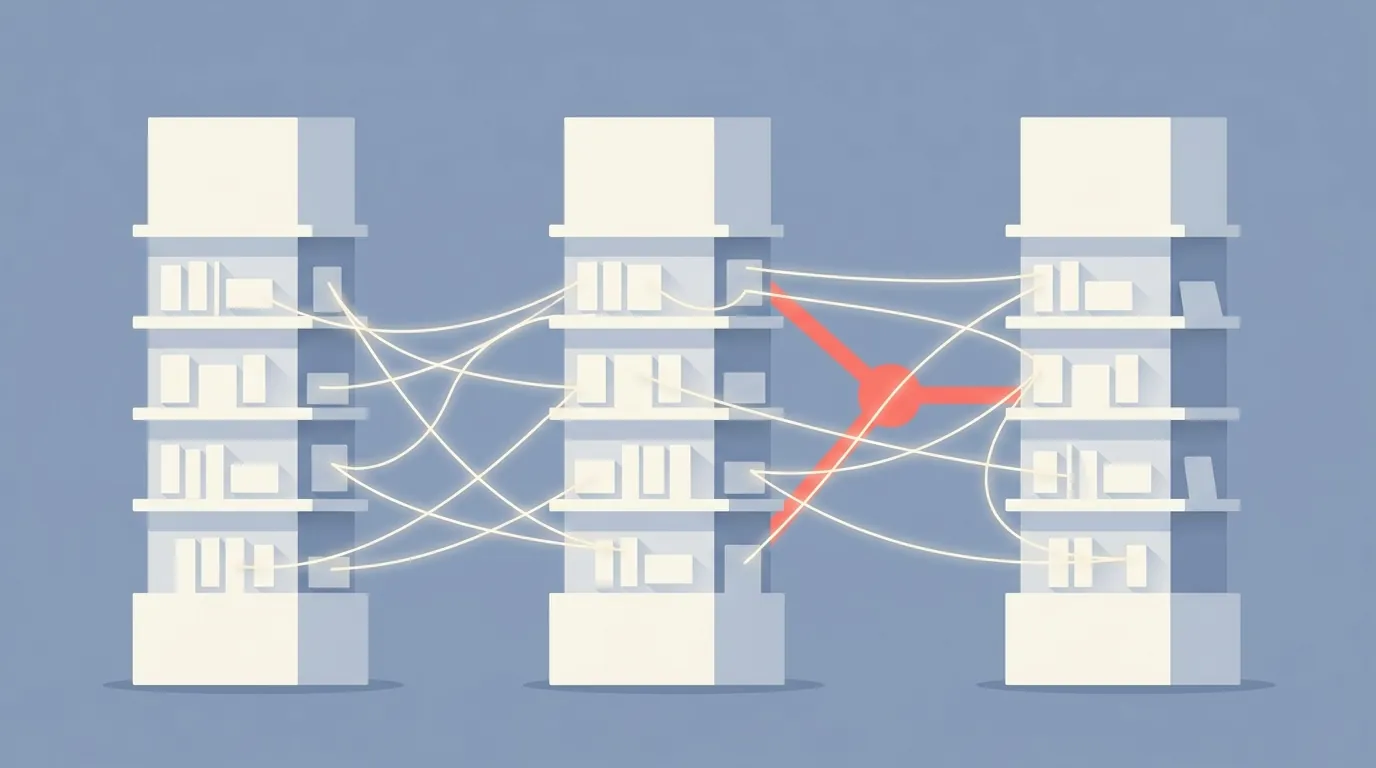
This is Retrieval Augmented Generation (RAG) on your own personal data.
It is the ultimate cheat code for exams.
Want to build that searchable archive? Our RAG pipeline with YouTube transcripts tutorial walks through the full implementation with vector databases.
Conclusion
Studying hard is noble. Studying smart is better.
You do not need to drown in hours of video content. You have the technology to process information faster than any human could.
By combining the local power of OpenClaw with the reliability of TranscriptAPI, you turn your computer into an active learning partner.
You save time. You retain more info. You ace the test.
Go give it a try.
Frequently Asked Questions
- Why is video a poor format for studying and reviewing lecture content?
- You can't scan a video the way you can scan text. To find a definition from week four you have to guess the timeline position, wait for buffering, and listen through unrelated material. Studying effectively means turning unstructured video into structured, scannable text — which is exactly what an agent produces when it converts a lecture transcript into organized notes.
- What format does an AI study buddy produce from a lecture video?
- Structured Cornell Notes with timestamp citations: organized by topic, with key terms highlighted and a summary at the bottom of each section. Each note references the exact moment in the video, such as 14:32, where the point was made, so you can jump back and verify a specific section without rewatching the whole lecture.
- Why run long lecture transcripts through a local agent like OpenClaw instead of ChatGPT?
- Two reasons: privacy and context limits. OpenClaw runs locally, so university lecture recordings stay on your own hardware rather than being uploaded to a public cloud. Standard chatbots also hit context limits on long lectures — a 3-hour lecture can run to tens of thousands of words — whereas a local OpenClaw setup can work through the full transcript without truncating it.